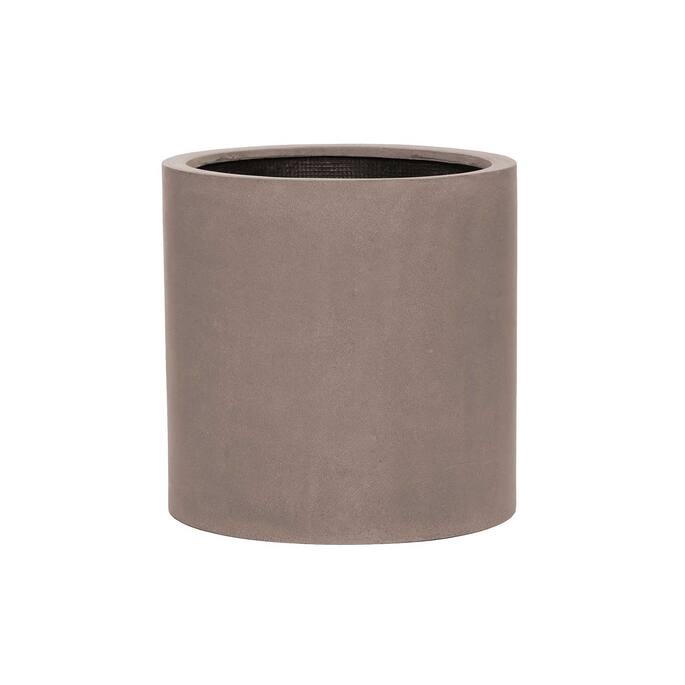
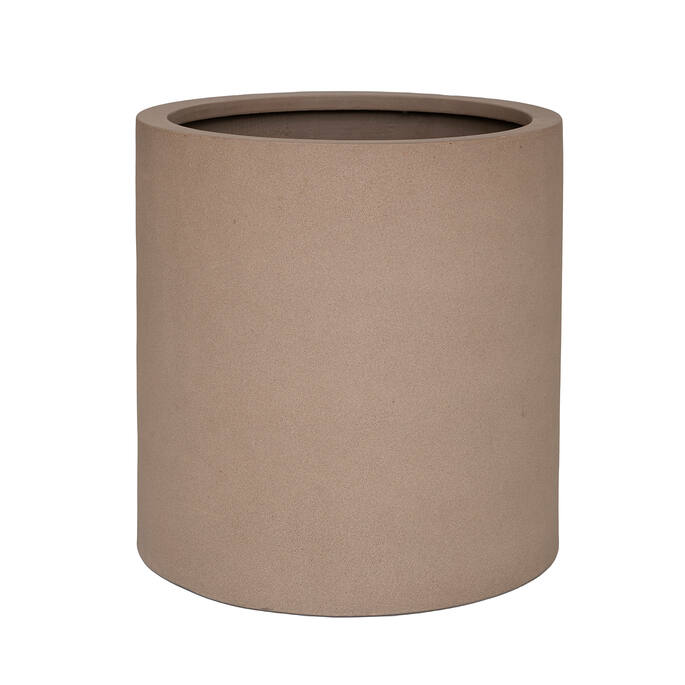
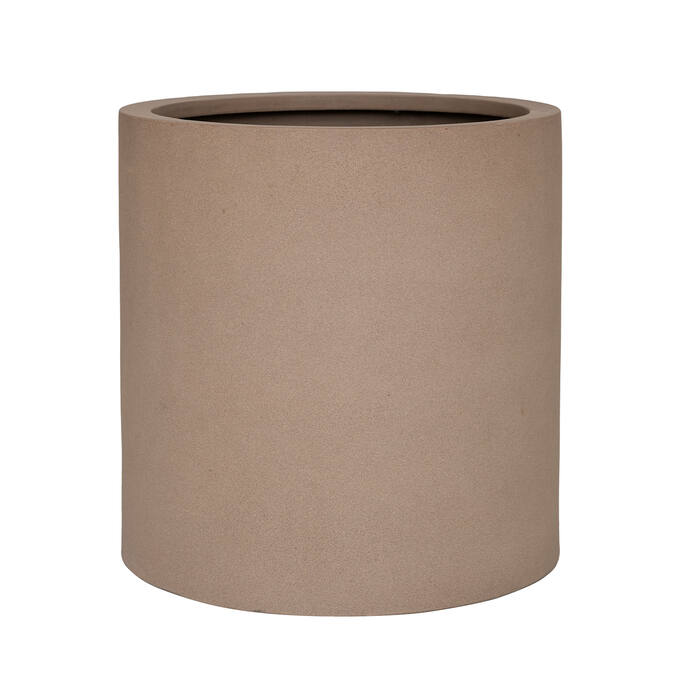
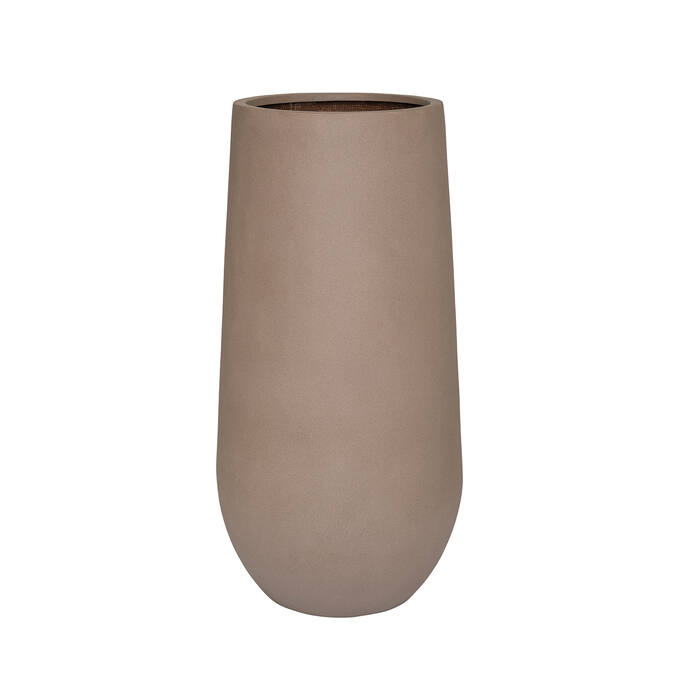
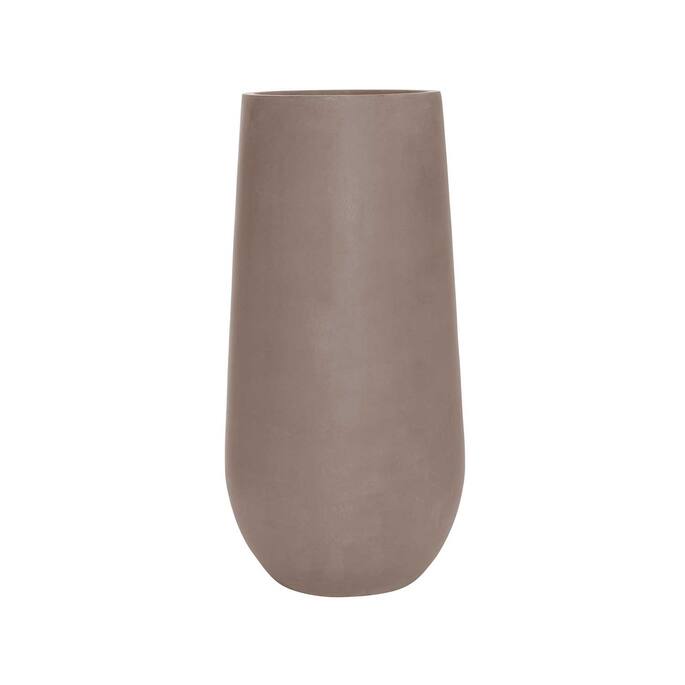
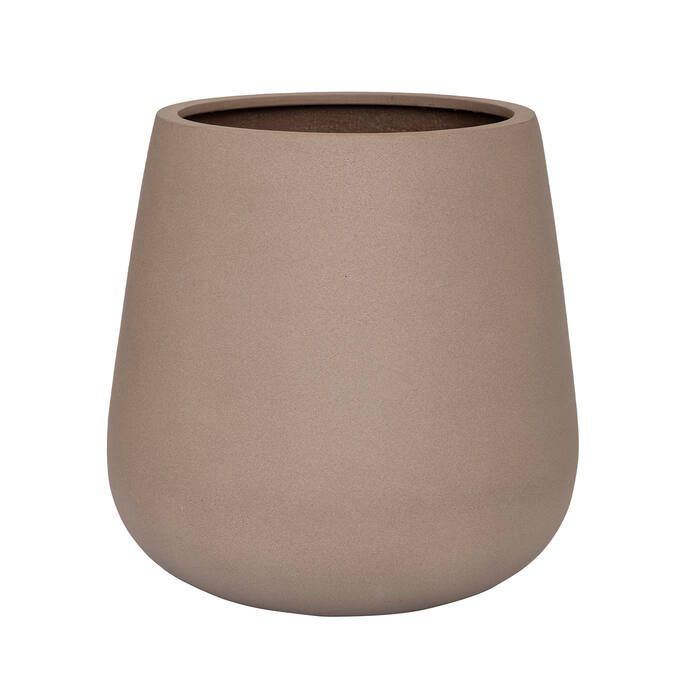
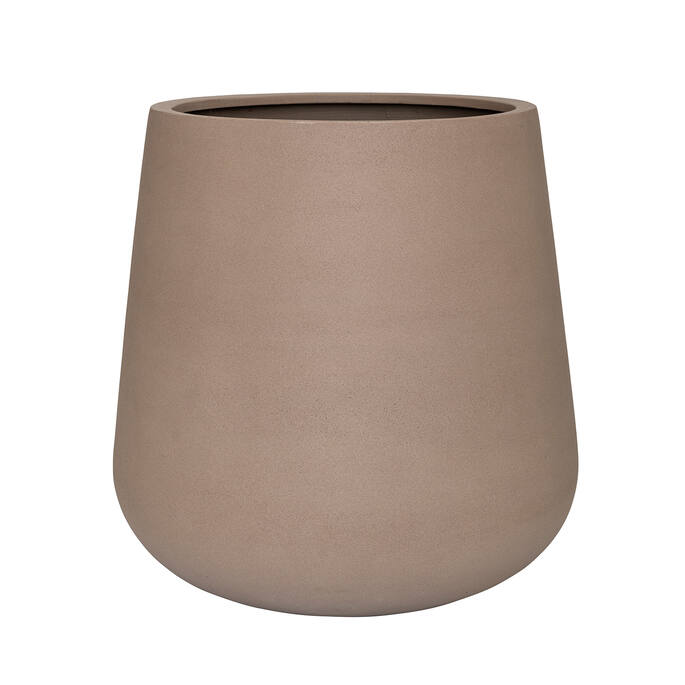
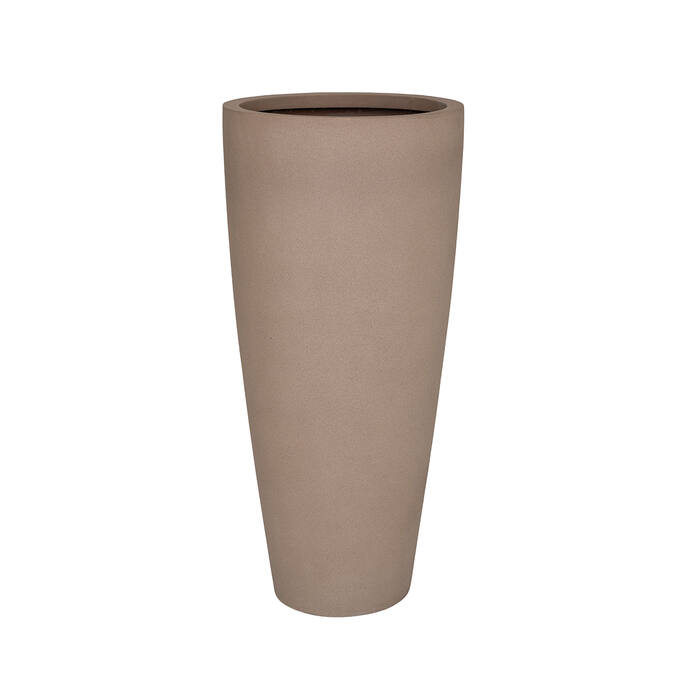
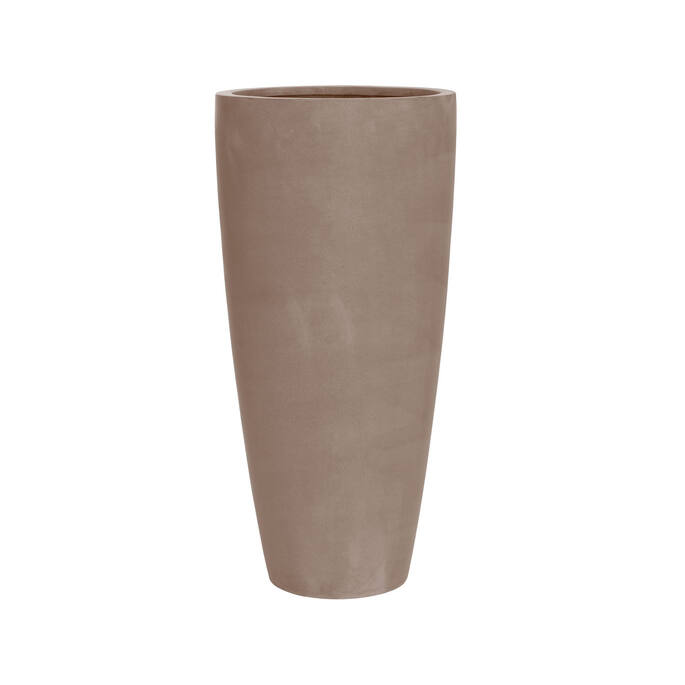
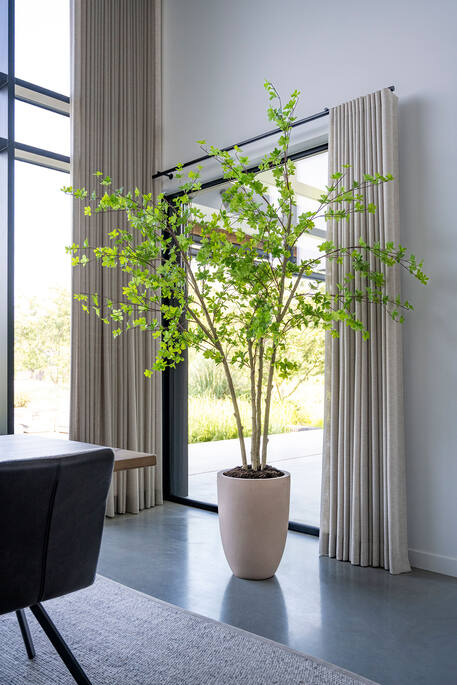
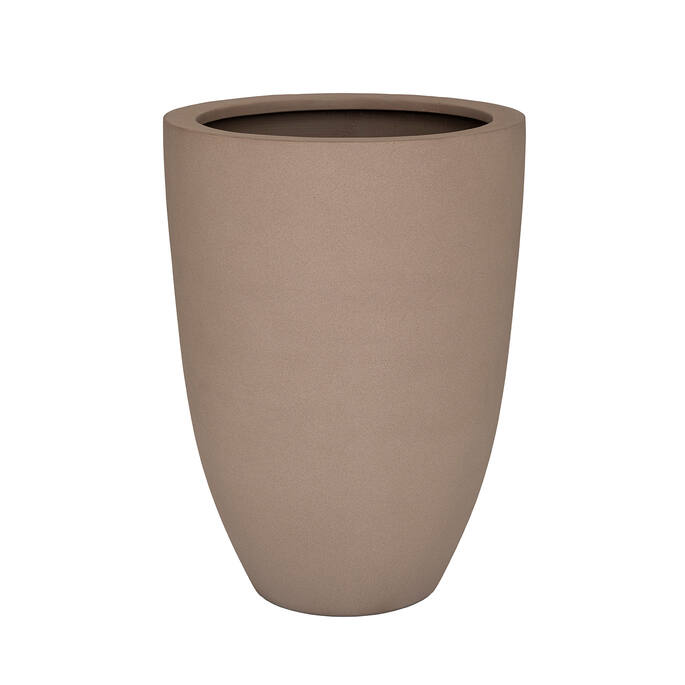
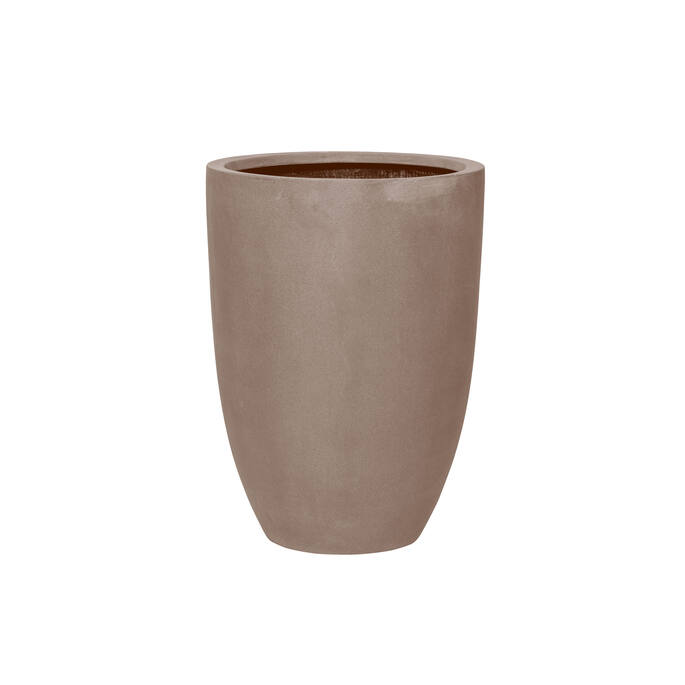
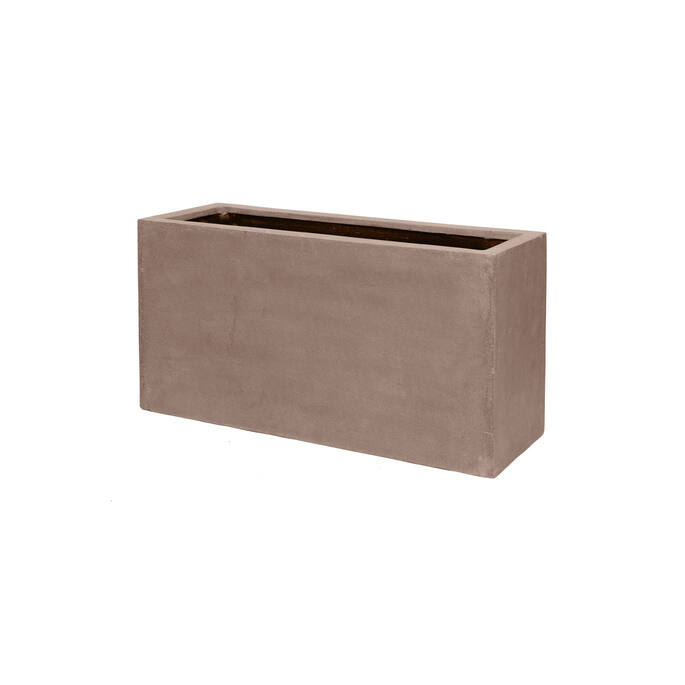
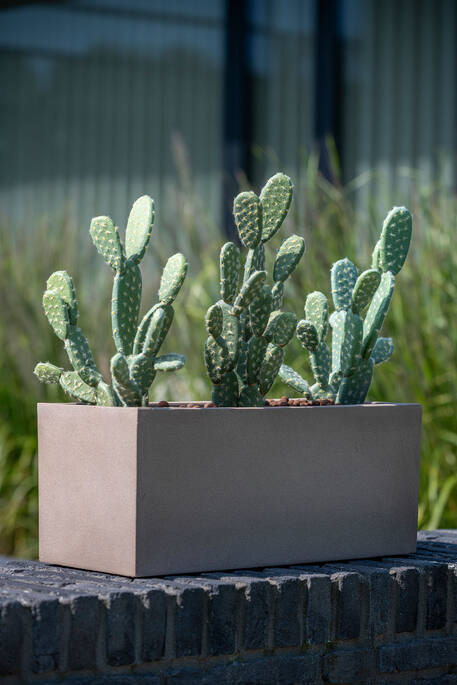
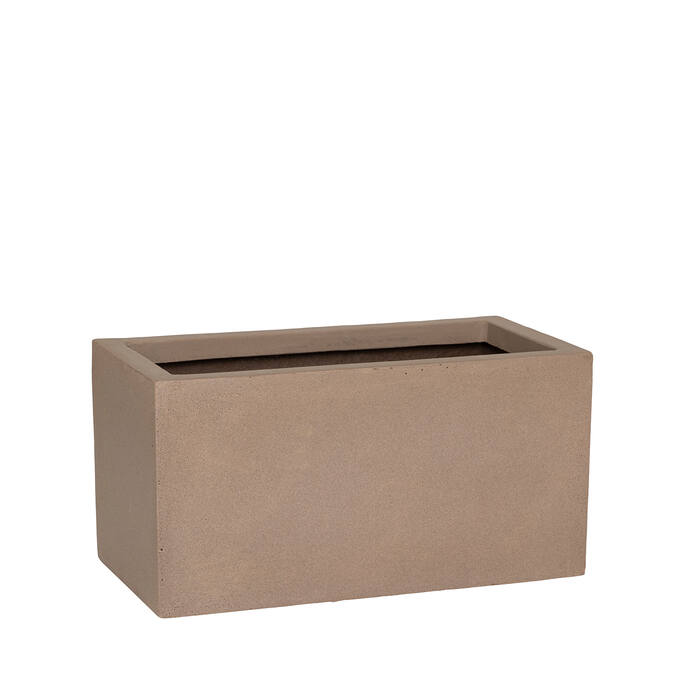
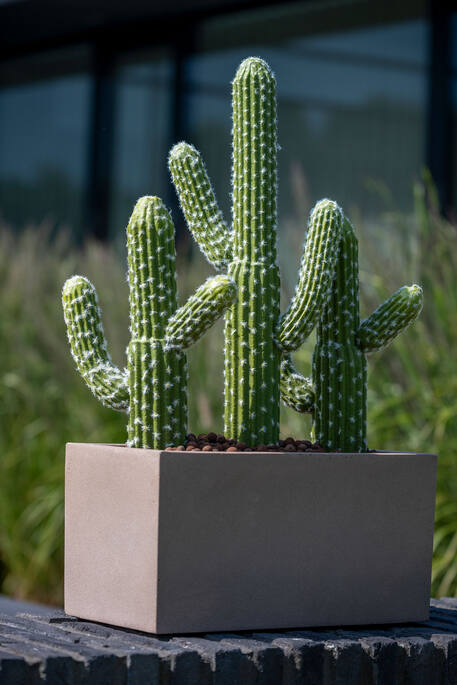
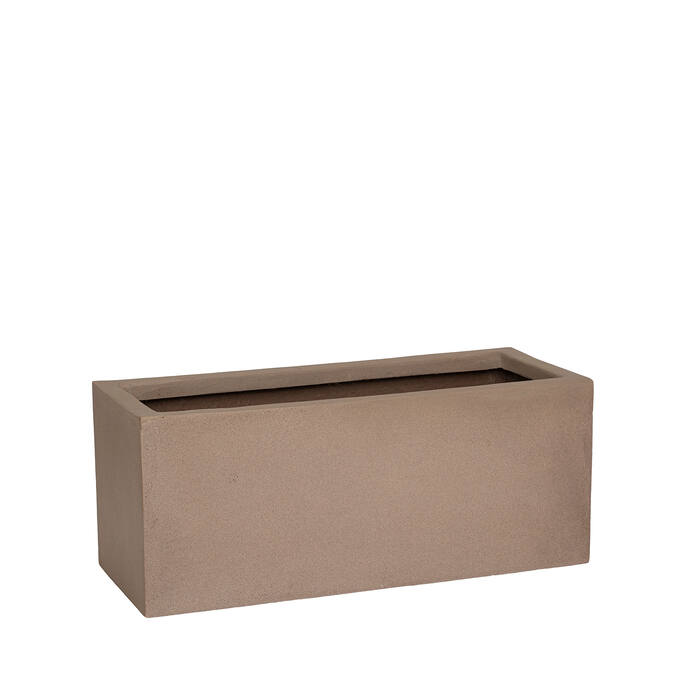
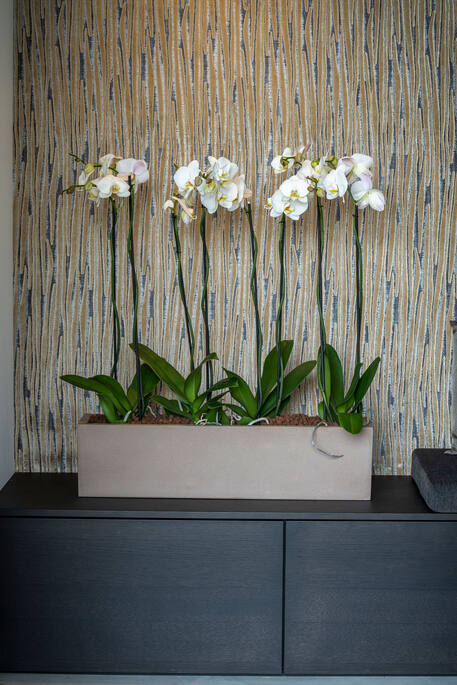
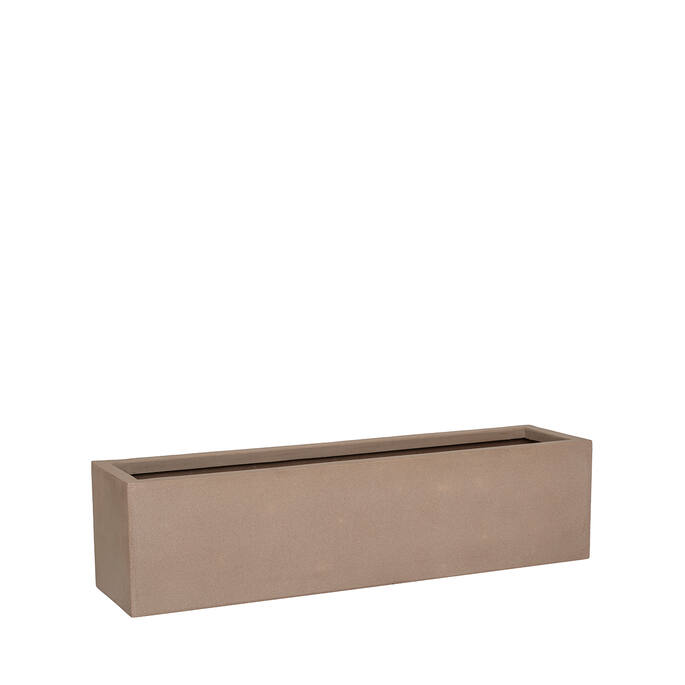
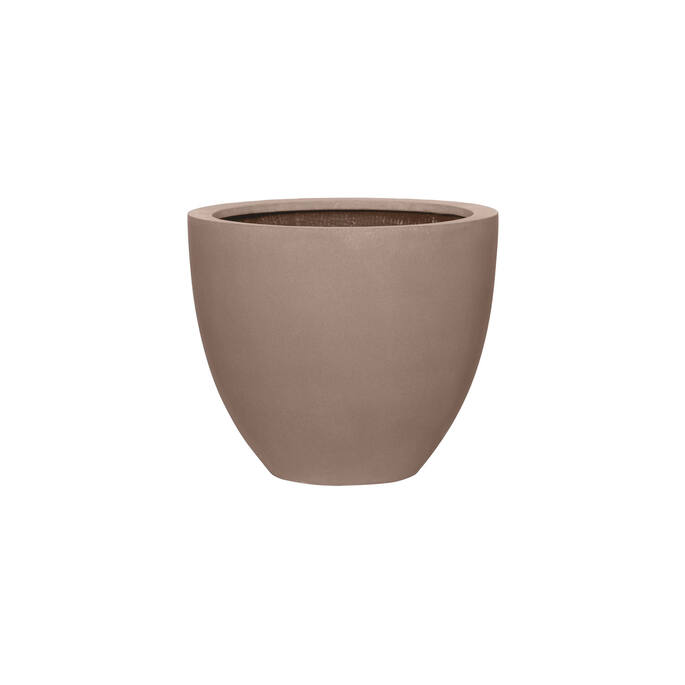
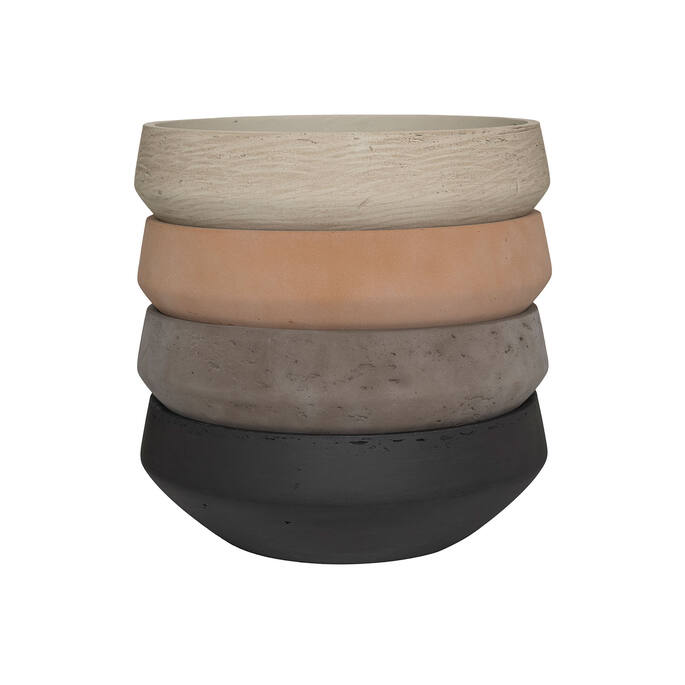
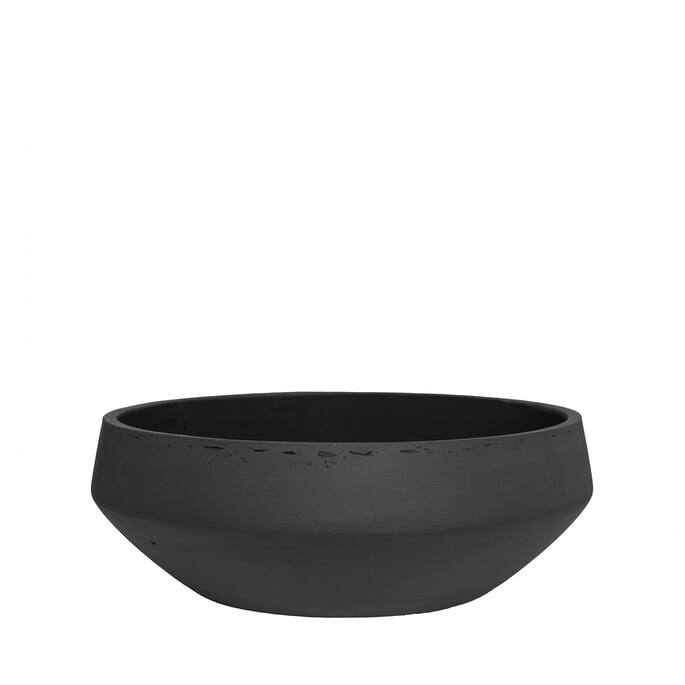
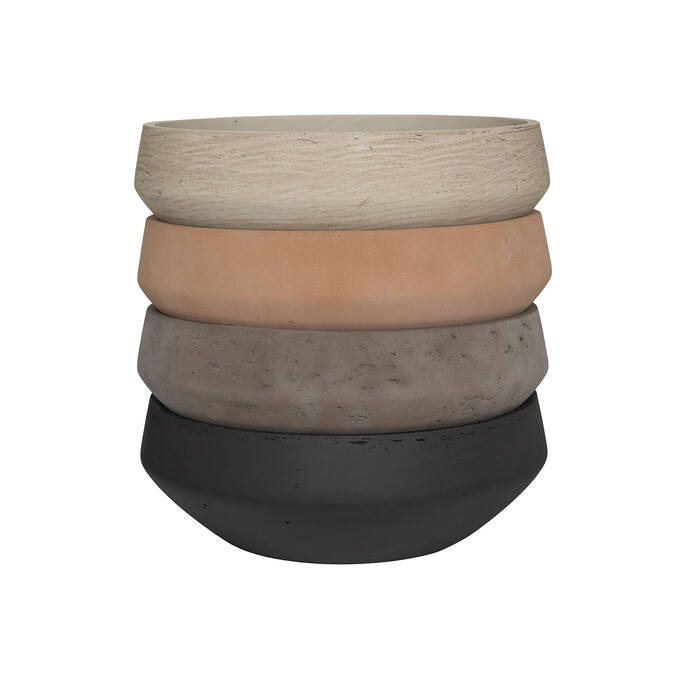
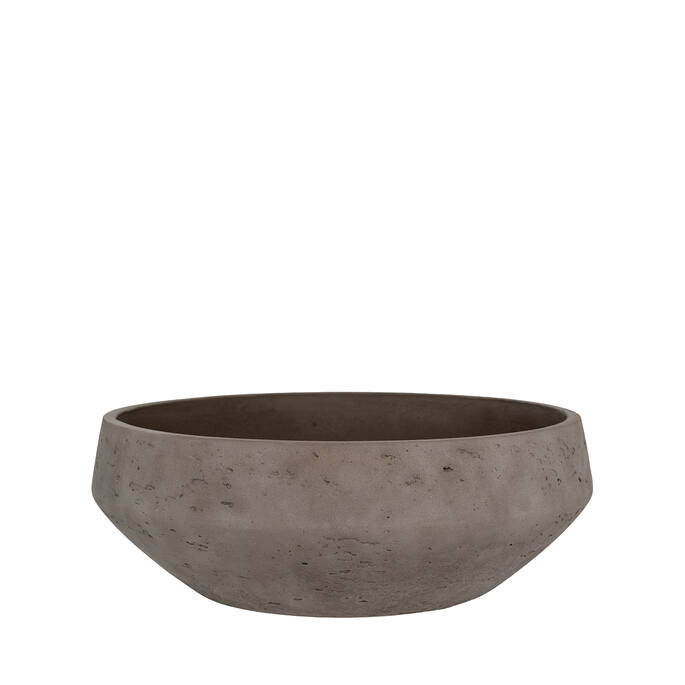
The most beautiful outdoor planters and flower pots can be found at Pottery Pots. Our extensive array includes pots for outdoor use in the most diverse types, sizes, shapes, and materials. The products are always directly available from our stock so that we can consistently supply you with the right amount of outdoor pots. Discover the benefits of our outdoor pots and quickly include them in your assortment!
Why a flower pot outside?`
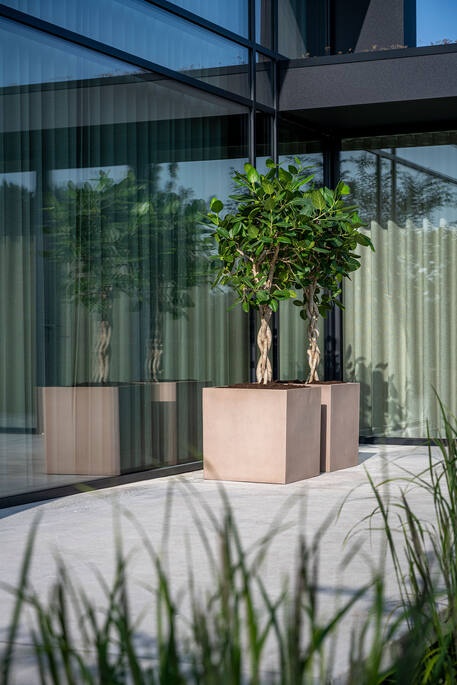
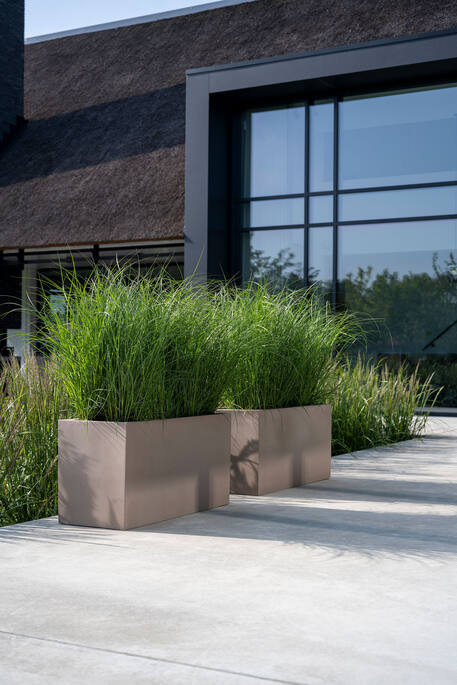
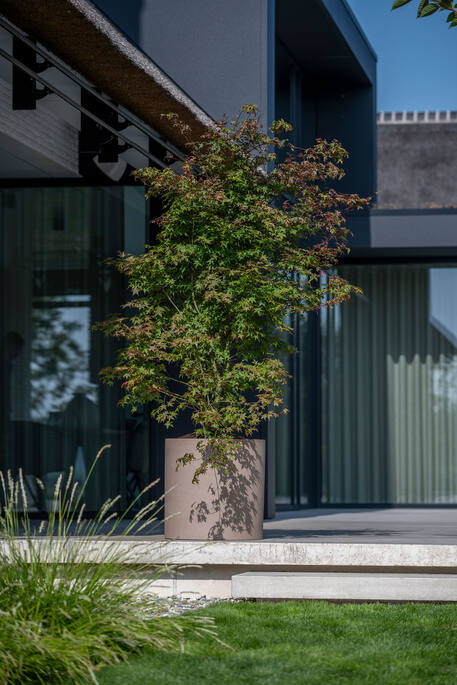
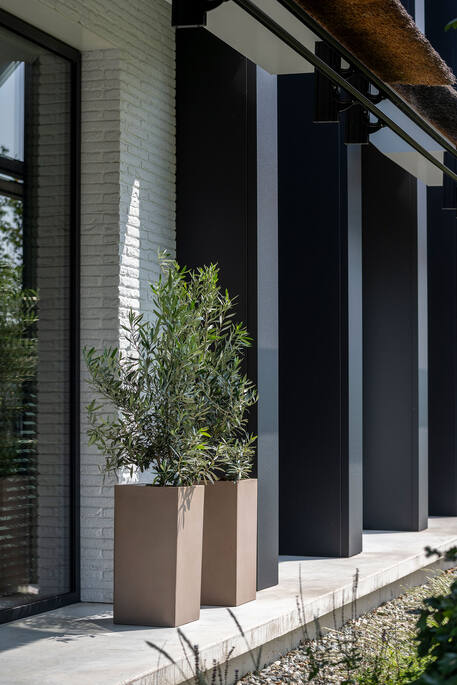
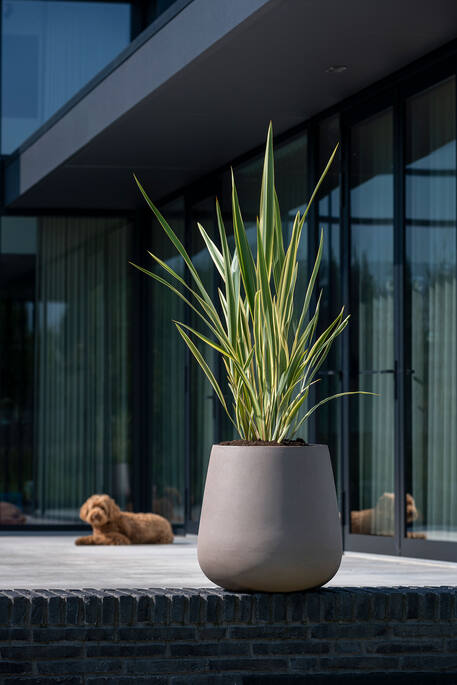
Plants and flowers create an atmosphere at any location. They bring color and life to a garden or public outdoor space. Depending on your preference, a flower pot or planter can largely blend in with the architecture, or act as a real eye-catcher. That's why planters and flower pots have become an integral part of outdoor spaces and courtyards. Thanks to our large selection of flower pots and planters for outdoor use, there will be a suitable pot for every space.
Outdoor flower pots and planters in all shapes and sizes
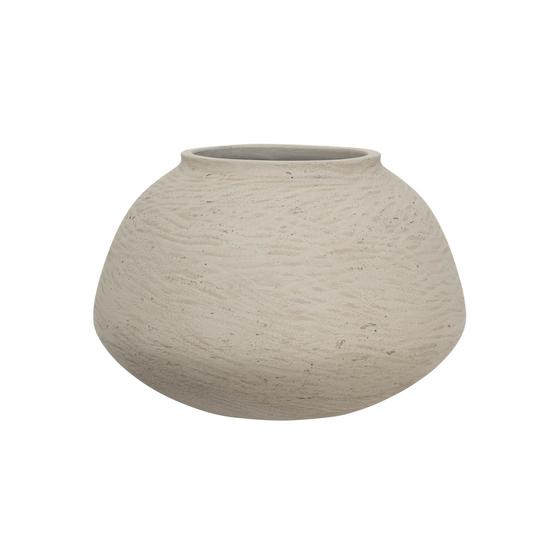
Pottery Pots offers a wide variety of outdoor flower pots and planters. The styles range from modern to rural, from rough to sophisticated, and from natural to industrial. The style largely depends on the material used.
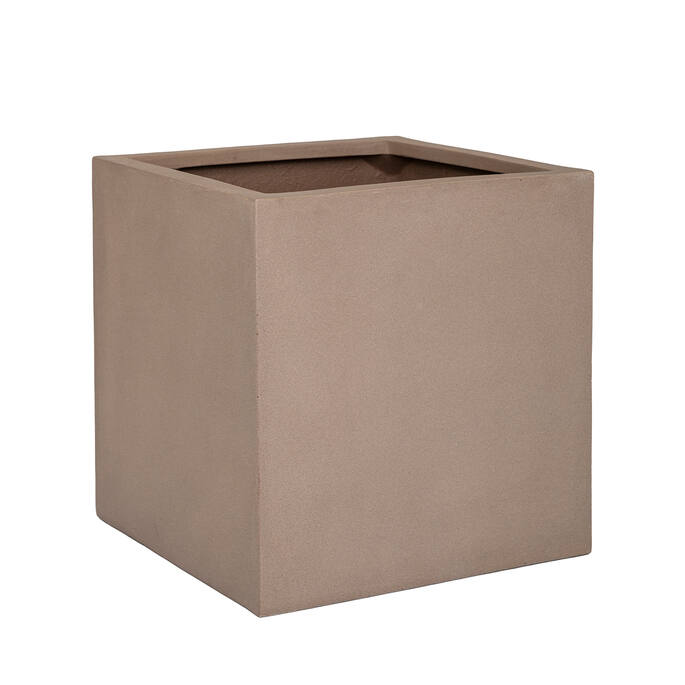
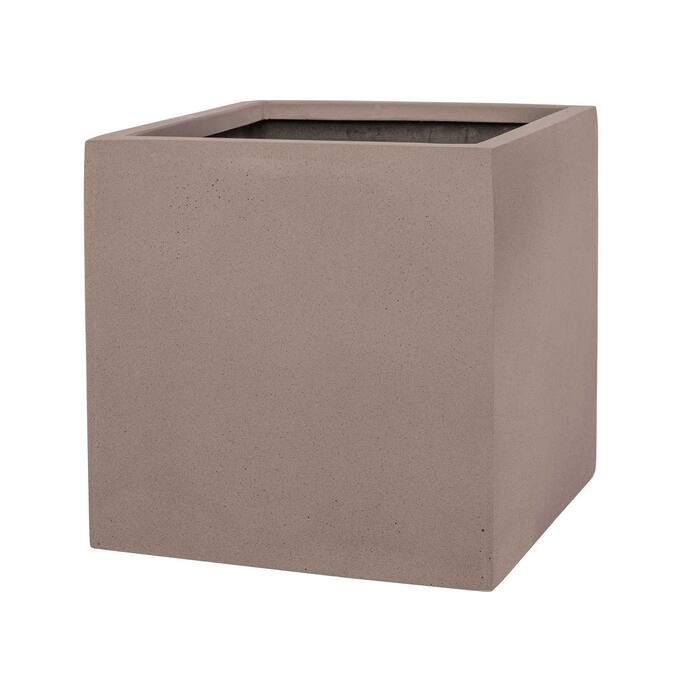
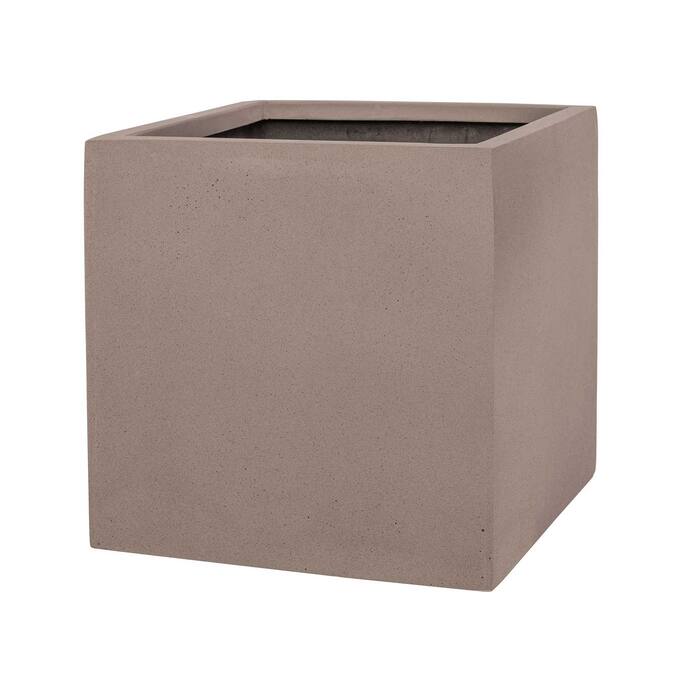
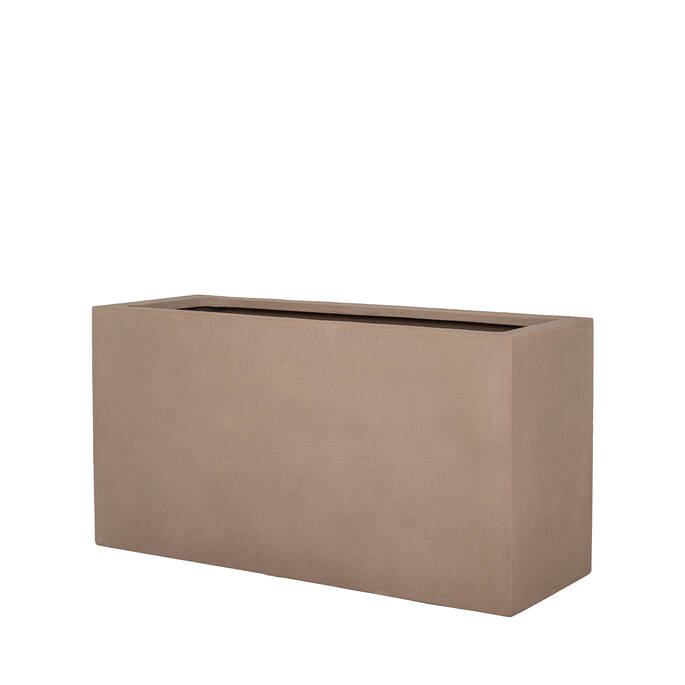
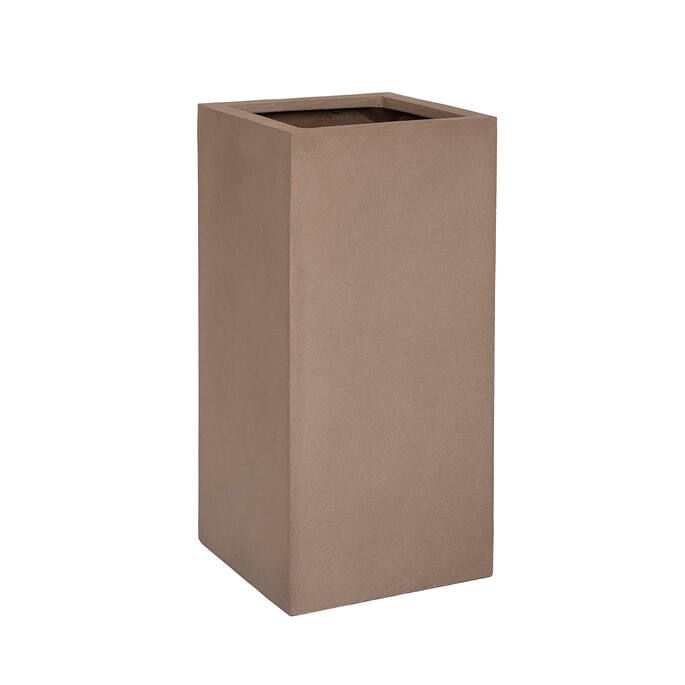
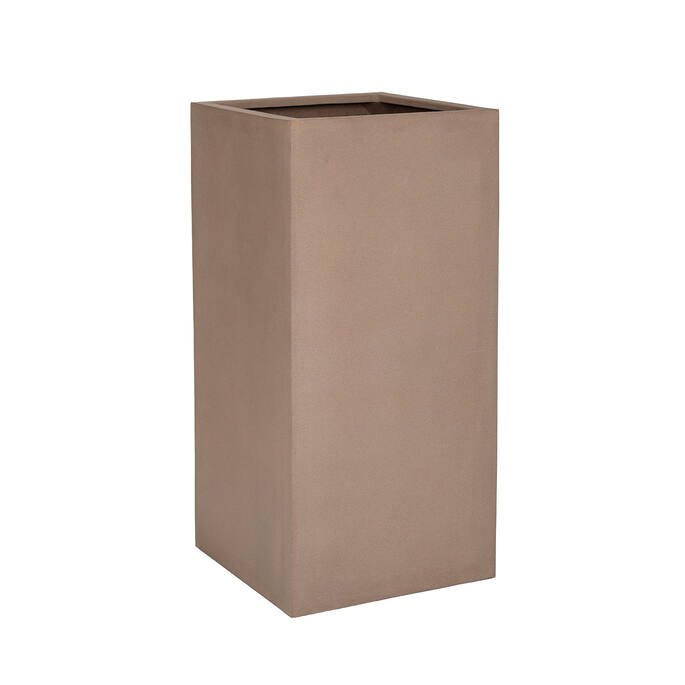
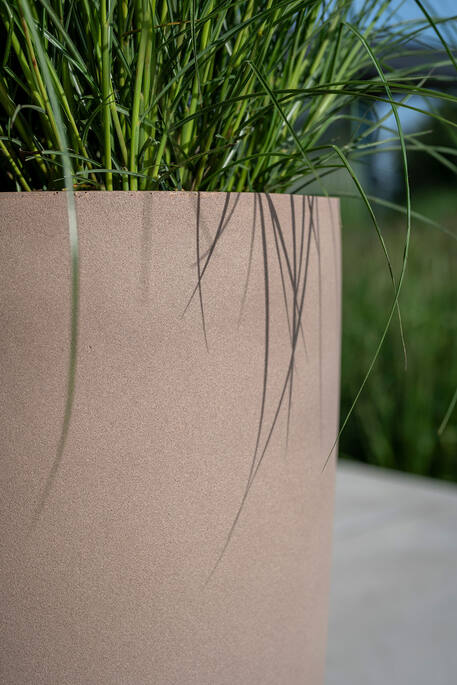
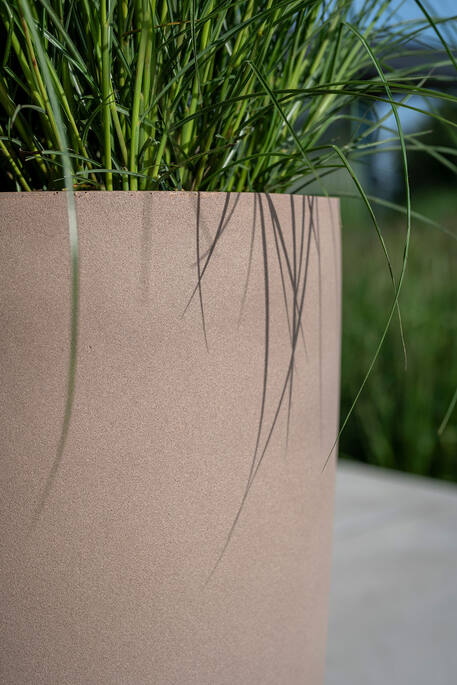
Pottery Pots specializes in innovative materials such as fiberclay, fiberstone, and ficonstone. These pots are made with fiberglass, which makes them frost-resistant and lighter in weight. The outdoor flower pots are available in a wide range of colors. For example, think of red, orange, brown, and green, but also more basic colors such as black, white, gray, and anthracite. You can also choose from different shapes, such as square, round, or rectangular. A garden trend that has been on the rise lately is hanging flower pots for outside.
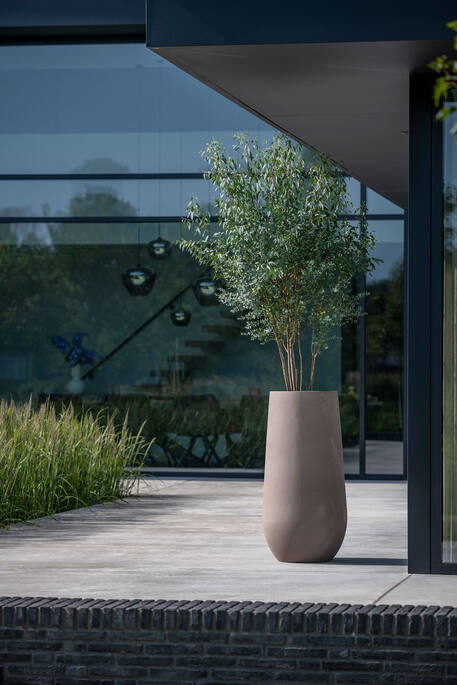
The size of a flower pot or planter for outside is also important. In a large outdoor space, it is important that a planter does not become dwarfed. That's why Pottery Pots offers many large outdoor planters. With an XL flower pot or plant pot you can really make a statement in your outdoor space.
Advantages of our outdoor flower pots
Strong and light materials
Frost resistant
Trendy colors and designs
Maintenance friendly
Large variety
Directly available
Also suitable for indoors
Outdoor flower pots at Pottery Pots
The range of outdoor flower pots and planters from Pottery Pots offers something for everyone. Our handmade pots are all of high quality, which means they last for years and remain beautiful. Find a point of sale near you, or include our outdoor pots in your collection as an entrepreneur! If you want information or if we can help you with your choices, we are at your disposal.
FAQ
Frost-resistant plant pots are often used outdoors, made of materials such as fiberstone, fiberglass, ficonstone, fiberclay, sandstone, or cement-bamboo. Outdoor pots usually have drainage holes so that excess rainwater can drain away properly and plants remain healthy. Do you have a frost-resistant pot, but it lacks drainage holes? Then make them yourself to prevent the pot from freezing and cracking.
Drainage holes ensure that excess rainwater can drain properly from the plant pot or planter. Without proper drainage, water can pool at the bottom of the outer pot, which can cause root rot or frost damage.
Many outdoor pots are frost-resistant, especially when they are made of strong materials such as fiberstone or fiberclay. However, it remains important that excess water can drain away properly to prevent damage from freezing.
The correct size outdoor pot depends on the size of the plant and the available space. Large outdoor plants and trees often require a spacious planter for sufficient stability and root growth. Preferably choose a pot that is approximately 20% larger than the current nursery pot.
Large outdoor pots are widely used by landscapers, garden architects, and project designers to create a greater green impact in gardens, entrances, terraces, and public spaces. Extra-large planters offer ample space for larger plants and immediately provide a luxurious appearance.