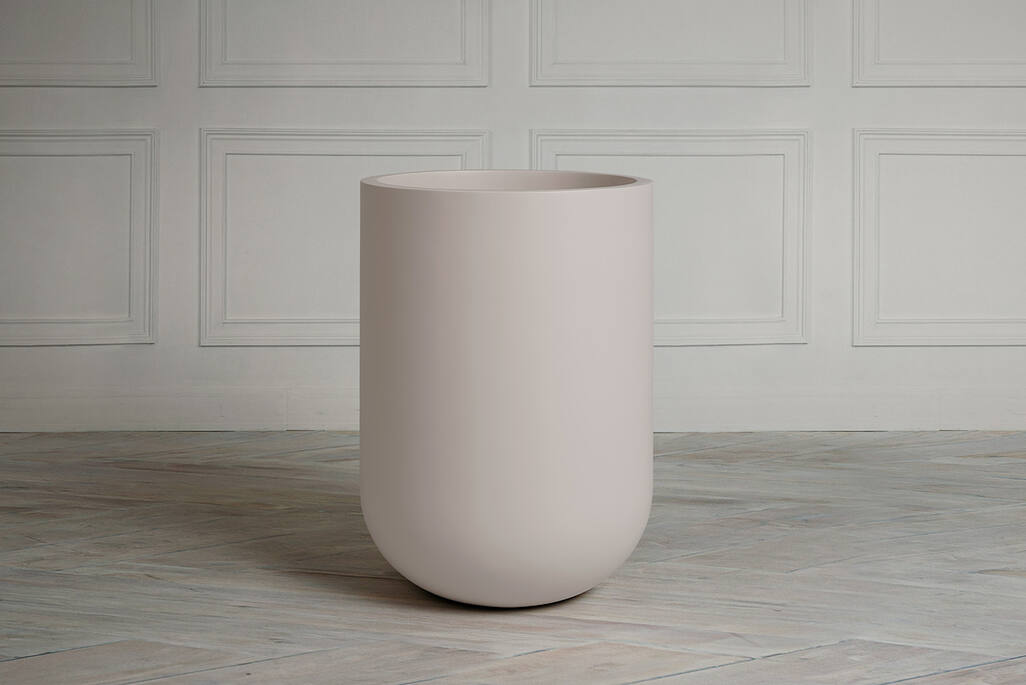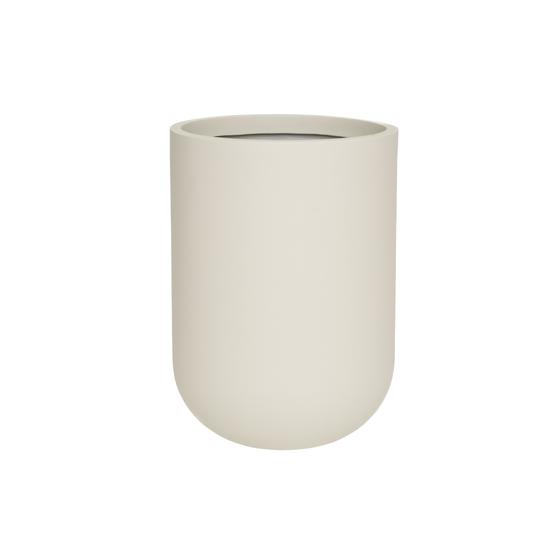
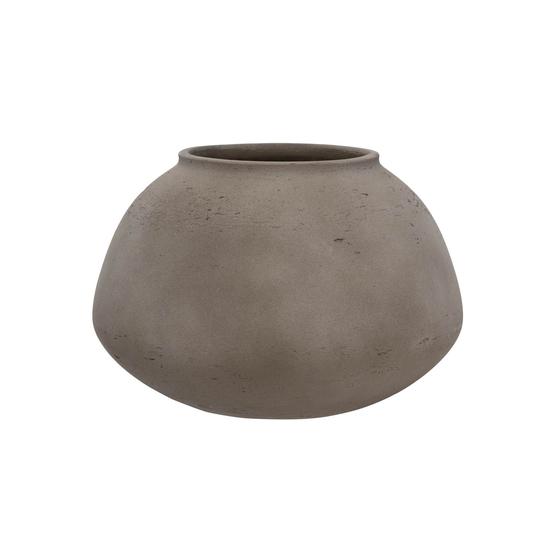
Mix or match?
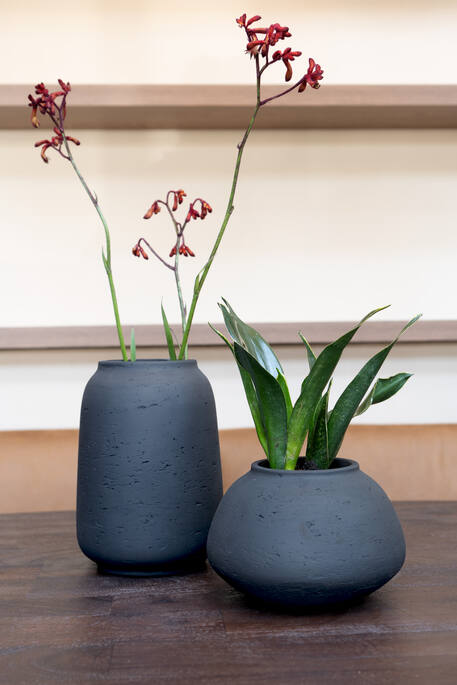
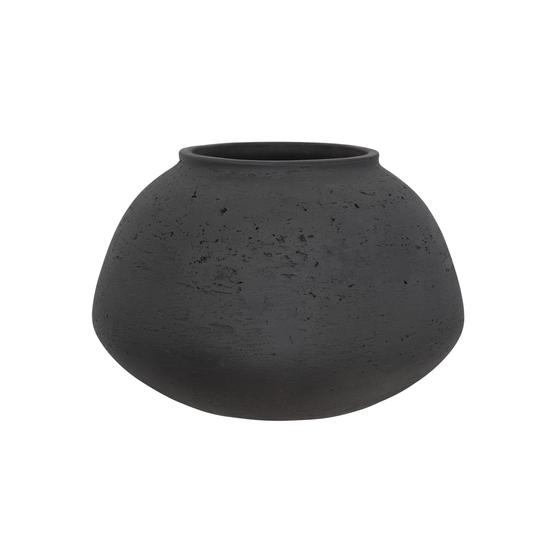
Do you go for the same color or do you choose for the playfulness of different colors together?
Fiberclay
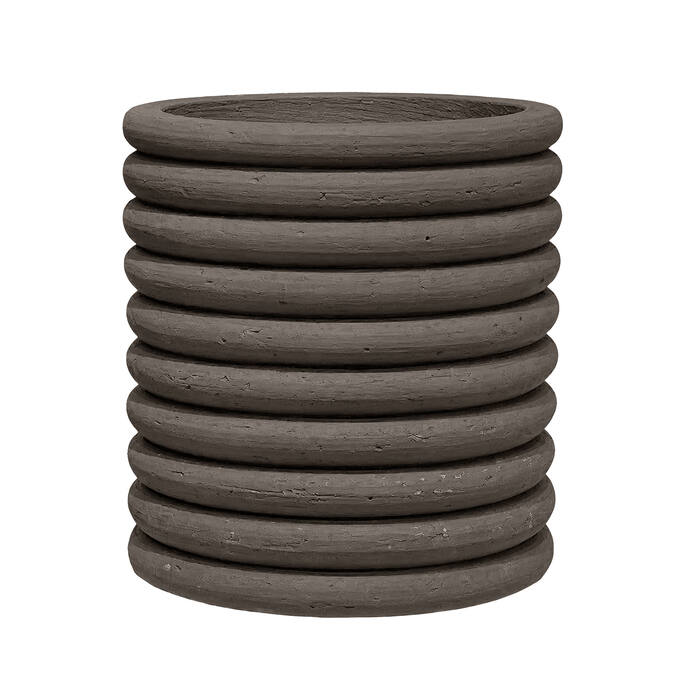
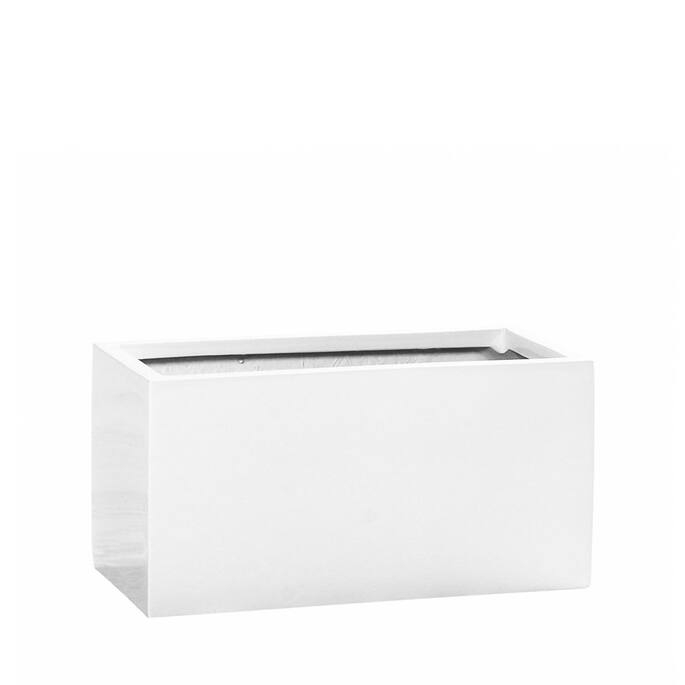
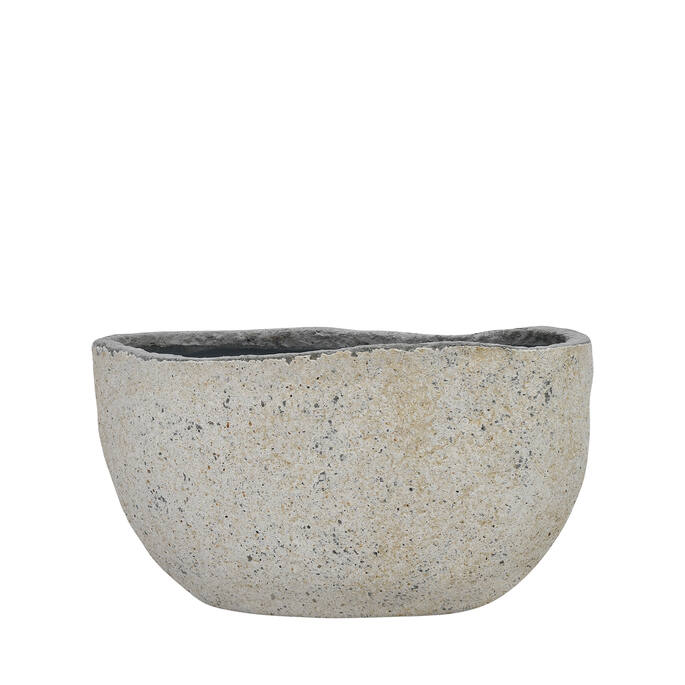
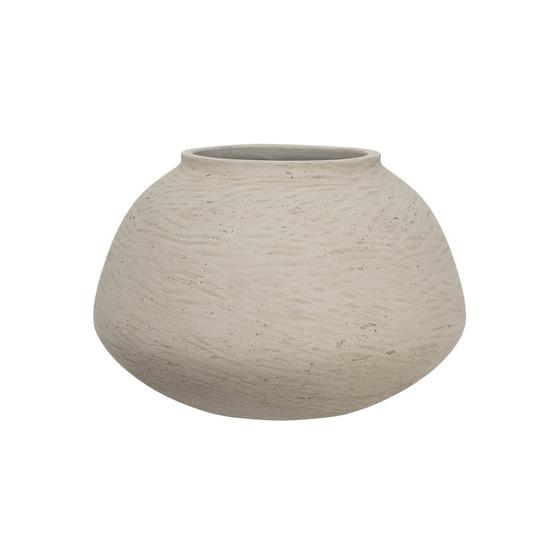
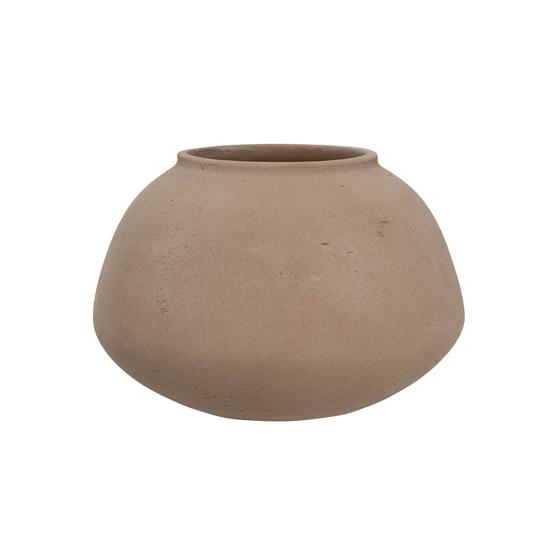
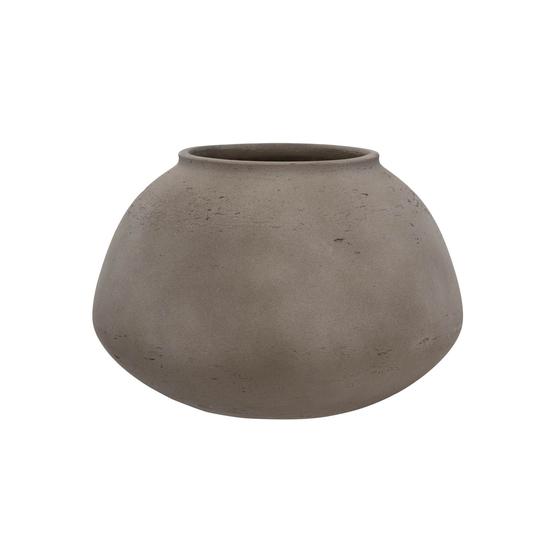
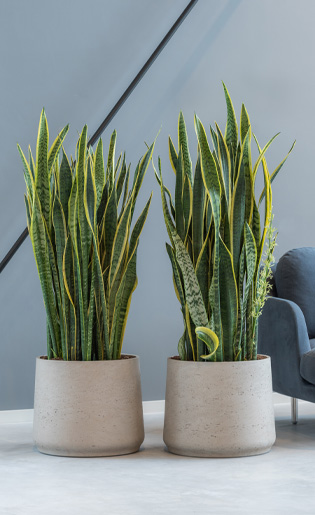
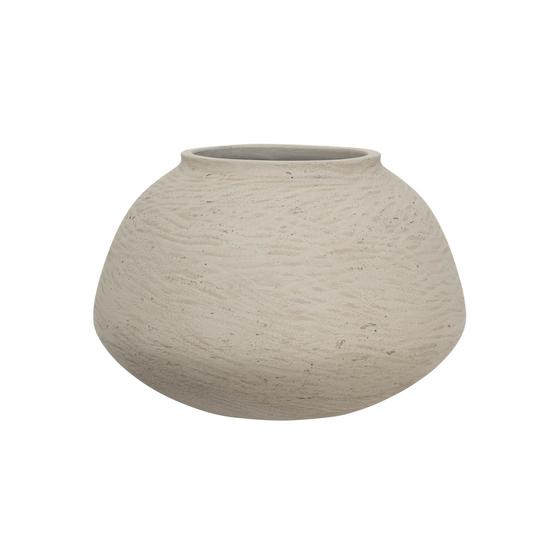
Fiberclay is a combination of clay and glass fiber and is therefore also called clayfibre. A fiberclay pot often has a similar appearance to a pot made of earthenware or clay, but is lighter thanks to the addition of fiberglass. Clayfibre flower pots are also extremely resistant to moisture, frost, and sun, and last for many years.Fiberclay can be compared to ficonstone, with the difference that sand and crushed stone are also added.
FAQ
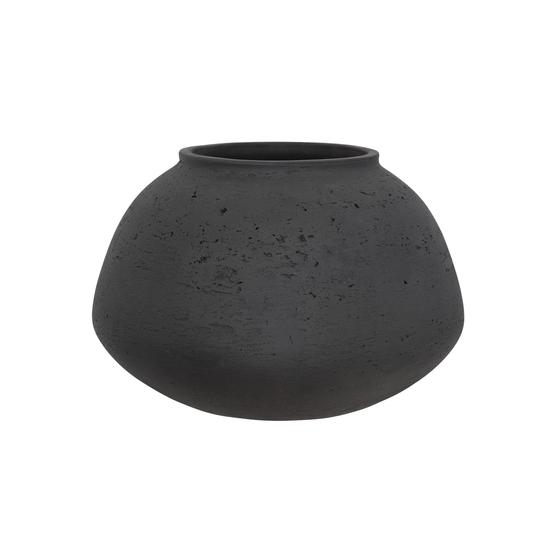
Fiberclay is a combination of clay and fiberglass and is therefore also known as clayfibre or fibreclay. The material has the natural appearance of earthenware or clay, but is lighter in weight thanks to the addition of fiberglass. Fiberclay is widely used for indoor and outdoor plant pots and flower pots.
Fiberclay plant pots combine the look of clay with the practical benefits of a lightweight material. Fiberclay pots are sturdy, low-maintenance, and easy to move. Additionally, fiberclay flower pots are highly resistant to moisture, frost, and sun, making them suitable for long-term outdoor use.
Yes, fiberclay plant pots are suitable for outdoors and resistant to various weather conditions. The strong material can handle rain, frost, and sunlight well. For outdoor pots, however, it is important that excess water can drain away properly through drainage holes.
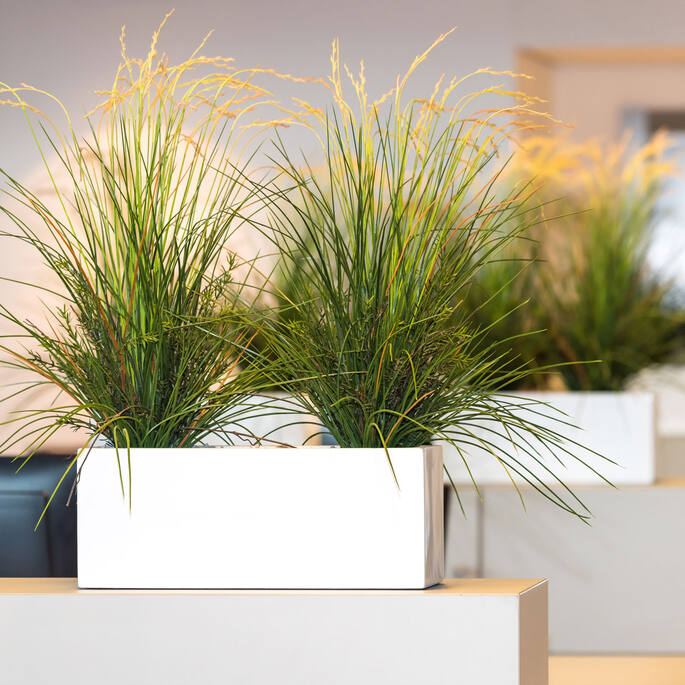
Fiberclay flower pots are popular among landscapers, garden architects, and interior plant designers due to their combination of appearance and functionality. Fiberclay planters have a natural clay look but are lighter in weight, making them easier to move and incorporate into larger landscaping projects. Additionally, fiberclay planters are strong, low-maintenance, and suitable for both indoor and outdoor projects.
Are you still interested in?